
Andrology and Sexual Health Care Across IASH Locations – Sexologist & Andrologist
IASH provides evidence-based consultation and treatment for male sexual and reproductive health conditions. Every treatment plan is developed after an individual clinical evaluation, since presentation and appropriate management can vary significantly between patients.
Consultations are conducted privately at every IASH location, with confidential medical record-keeping. This standard applies whether a patient visits in person or consults online.
Patients who relocate between cities, or who travel for work, can continue care at another IASH clinic, since the same consultation approach and clinical documentation practices are followed across locations.
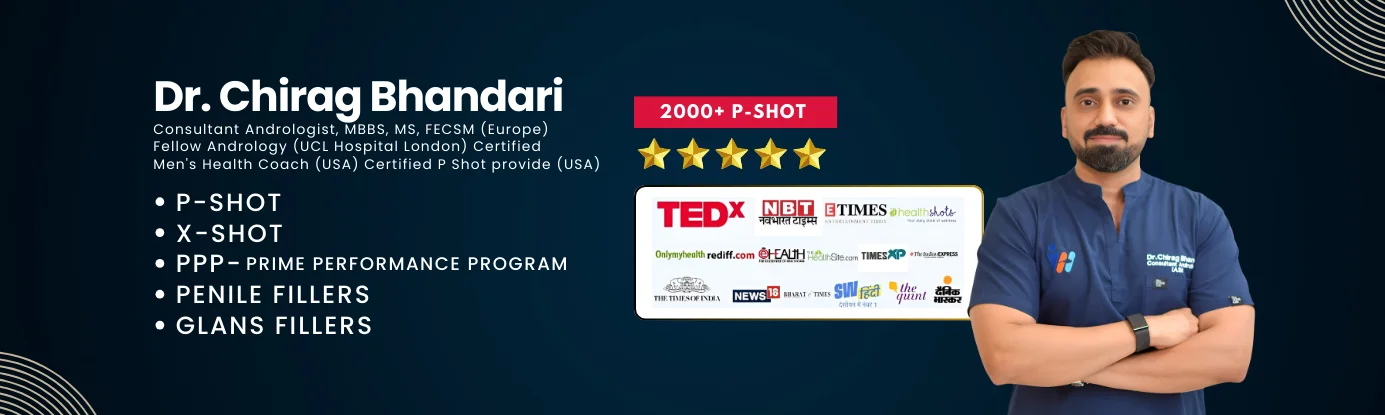
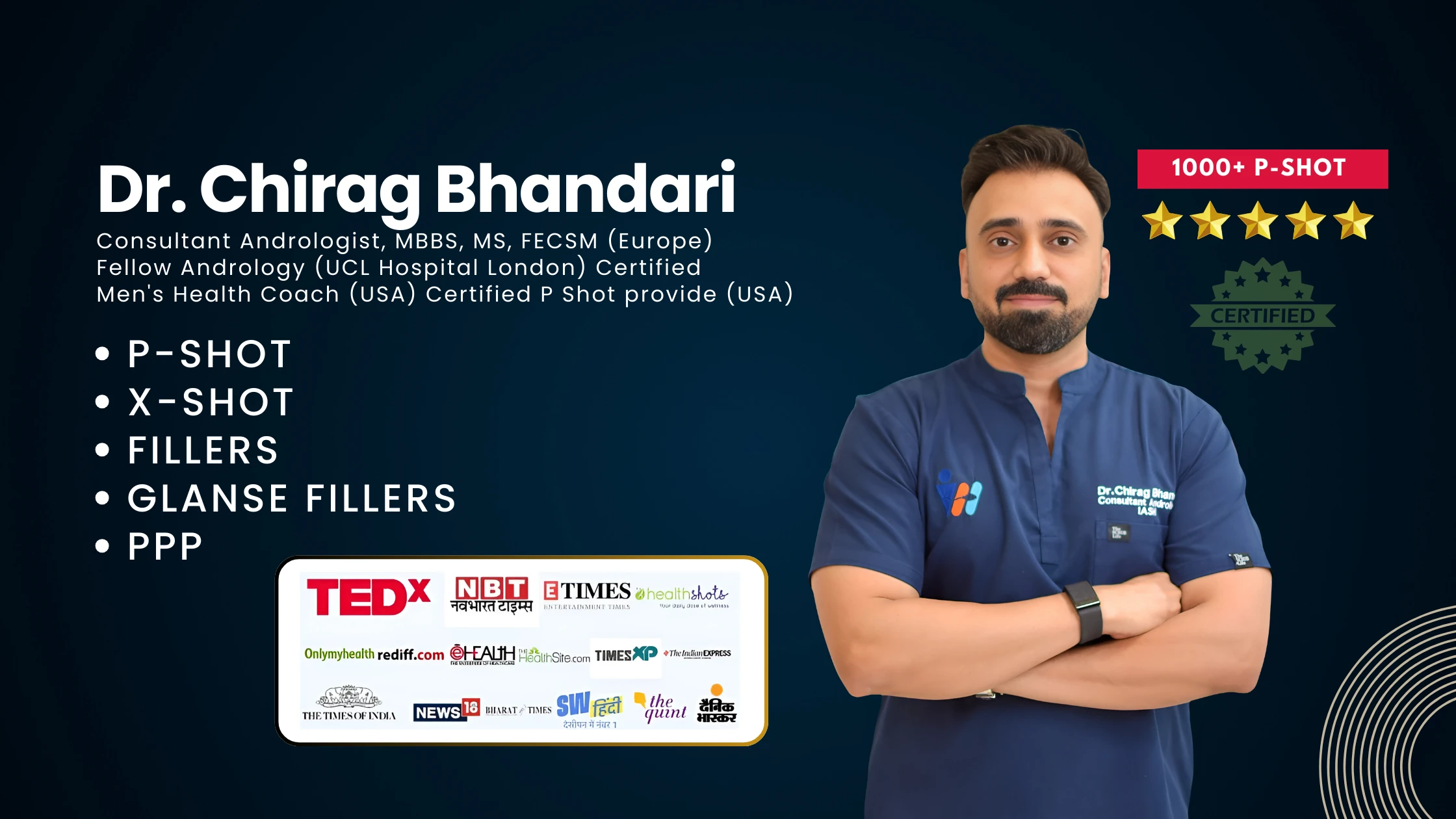
Dr Chirag Bhandari completed a Fellowship in Andrology at University College London Hospital (UCLH), UK, and holds additional certifications relevant to male sexual medicine. He has over 13 years of focused clinical experience in this field.
Dr Chirag Bhandari’s Background and Credentials – Andrologist & Sexologist
Dr Chirag Bhandari RMC-36011/13502 has focused his clinical practice on andrology and male sexual health since completing his medical training. His qualifications include:
- MBBS, MS – Pune University, India
- Fellowship in Andrology – University College London Hospital (UCLH), UK
- FECSM – Fellow of the European Committee of Sexual Medicine (Lisbon, 2018)
- Fellowship in Psychosexual Medicine – JSS University, India
- ASRM Certified Andrologist – American Society of Reproductive Medicine
- Certified P-Shot Provider – Cellular Medicine Association, USA
- Certified Men’s Health Coach – Institute for Functional Medicine, USA
- Penile Prosthesis Training – Wilson Memorial Research & Training Centre, Seoul, South Korea
- Microsurgery Training – Dr Geng Long Hsu’s Centre, Taipei, Taiwan
- Shockwave Therapy Training – Prof. Dimitrios Hatzichristou, Aristotle University, Greece
Why Patients Choose IASH – Sexologist &Andrologist
Patients consulting IASH across its locations generally cite a few recurring reasons:
Treatment recommendations depend on the patient’s individual diagnosis, and outcomes vary based on the underlying cause and the patient’s overall health. Not every treatment option is suitable for every patient.
Understanding the Terms Sexologist and Andrologist
Across India, “sexologist” is used broadly and does not always indicate a specific level of medical training. Andrology is a recognized medical specialty focused on male reproductive and sexual health.
When researching a specialist, it can be useful to check for formal qualifications such as fellowship training, recognized certifications, and relevant clinical experience, rather than relying on the title alone.
Conditions Evaluated and Treated at IASH – Andrologist & Sexologist
The sections below describe common conditions IASH evaluates, and the categories of treatment that may be considered depending on individual diagnosis.
Erectile Dysfunction
Erectile dysfunction refers to persistent difficulty achieving or maintaining an erection sufficient for sexual activity. It can be associated with vascular, hormonal, neurological, psychological, or lifestyle-related factors, often in combination. Depending on the diagnosis, management may include oral medication, lifestyle modification, hormonal treatment where clinically indicated, vacuum erection devices, low-intensity shockwave therapy, or penile implant surgery in selected severe cases.
Premature Ejaculation
Premature ejaculation is a common concern that can affect sexual satisfaction and confidence. Management is planned after evaluating symptoms, medical history, and contributing factors. Approaches that may be considered include medication where appropriate, behavioral techniques, pelvic floor or biofeedback-based approaches, topical treatments, or counseling, depending on the individual diagnosis.
Male Infertility
Male factors can contribute to difficulty conceiving and should be evaluated as part of a fertility assessment. Evaluation may include semen analysis, hormonal testing, physical examination, and additional investigations where clinically indicated. Treatment options depend on the identified cause and may include lifestyle changes, hormonal management, microsurgical varicocele repair, sperm retrieval procedures such as TESA or PESA, and fertility-related counseling.
Low Testosterone
Low testosterone can be associated with reduced libido, fatigue, mood changes, and reduced muscle mass, though these symptoms can have other causes as well. Appropriate hormonal testing is needed before treatment is considered. Treatment, where indicated, may include testosterone replacement therapy through injections, gels, or pellets, along with lifestyle modification and regular monitoring.
Peyronie’s Disease
Peyronie’s disease can cause penile curvature, discomfort, and difficulty during sexual activity. Management is determined after evaluating the degree of curvature, symptoms, and disease stage. Options that may be considered include non-surgical treatment, penile traction, selected injectable treatments, or surgical correction in appropriate cases.
Penile Health and Penile Enlargement Consultation
Men with concerns about penile size, appearance, curvature, or function can discuss these confidentially with a specialist. Not every patient requires or is suitable for a procedure. Where appropriate, options may include medically supervised traction, fillers, surgical procedures, or counseling where body-image concerns are contributing to distress. Realistic expectations, benefits, limitations, and risks should be discussed before any treatment is considered.
Treatment Approaches and Technologies Available at IASH – Sexologist &Andrologist
Treatments below are used depending on the diagnosis. Suitability is determined during clinical evaluation, and outcomes vary between individuals.
Shockwave Therapy
Low-Intensity Extracorporeal Shockwave Therapy (LI-ESWT) is a non-invasive treatment that may be considered for selected patients with erectile dysfunction, typically delivered over a course of sessions.
PRP Therapy
Platelet-rich plasma therapy uses components derived from the patient’s own blood. Patients interested in this option can discuss available evidence, potential benefits, limitations, and alternatives with their doctor.
Biofeedback Therapy
Pelvic floor biofeedback may be incorporated into treatment for selected patients with premature ejaculation or pelvic floor-related concerns, using feedback from muscle activity to support greater awareness and control.
Testosterone Replacement Therapy (TRT)
Where clinically confirmed testosterone deficiency is present, replacement therapy may be considered after evaluation, with treatment selected according to medical history, symptoms, laboratory results, and fertility considerations.
Microsurgical and Surgical Procedures
For conditions requiring surgical management, procedures available include microsurgical varicocelectomy, sperm retrieval procedures, penile implant surgery for severe erectile dysfunction, and surgical management of Peyronie’s disease. The need for surgery is determined only after clinical evaluation and discussion of appropriate non-surgical and surgical options.
IASH Clinic Locations – Andrologist & Sexologist
IASH currently operates three clinics in North India, with online consultations available for patients elsewhere in the country.
Jaipur, Rajasthan
Located on Tonk Road near Gopalpura Bypass, this clinic provides consultation, diagnostics, and treatment for male sexual and reproductive health conditions.
View the Jaipur clinic page →Delhi NCR
Located in Lajpat Nagar-IV, New Delhi, this clinic follows the same consultation and treatment approach as IASH’s other locations.
View the Delhi NCR clinic page →Gurgaon, Haryana
Located on Golf Course Road, Sector 28, this clinic serves patients across Gurgaon and the surrounding NCR.
View the Gurgaon clinic page →Online Consultations
For patients unable to visit a physical clinic, IASH offers online consultations for an initial assessment. In-person visits may be recommended afterward if diagnostic testing or a procedure is required.
Book Online Consultation →What to Expect During Your First Consultation – Sexologist &Andrologist
The consultation process follows a consistent structure across all IASH locations, whether conducted online or in person.
1. Private Consultation
A confidential discussion about your symptoms, concerns, medical history, and relevant lifestyle factors.
2. Medical History and Examination
Relevant medical history is reviewed, and a physical examination may be recommended depending on the condition.
3. Diagnostic Testing
Depending on the suspected condition, investigations may include hormone tests, metabolic investigations, semen analysis, penile Doppler ultrasound, or other relevant tests. Not every patient requires every test.
4. Treatment Discussion
Patients are informed about the diagnosis or possible contributing factors and the available treatment options, along with potential benefits, limitations, and alternatives.
5. Follow-Up
Follow-up appointments may be recommended to evaluate progress, review investigations, and adjust treatment where necessary.
How to Choose a Specialist for Male Sexual Health – Andrologist & Sexologist
It is useful to look beyond promotional claims and consider a doctor’s medical qualifications, relevant specialization, experience, and treatment approach.
Check Medical Qualifications
Sexual health concerns can involve hormonal, vascular, neurological, reproductive, psychological, and surgical factors. Look for appropriate medical qualifications and relevant specialist training.
Consider Specialized Experience
A doctor who regularly manages male sexual and reproductive health conditions may be better positioned to evaluate complex cases than a practitioner offering this as one of many unrelated services.
Look for Evidence-Based Care
Be cautious of guaranteed results, miracle cures, or treatments offered without appropriate diagnosis. A responsible treatment plan begins with understanding the underlying condition.
Evaluate Privacy and Confidentiality
Ask how consultations, medical records, appointments, and follow-up communication are handled.
Understand Your Treatment Options
Before starting treatment, understand why it is being recommended, what alternatives exist, and what limitations or risks may be involved.
Common Male Sexual Health Myths – Sexologist &Andrologist
Misinformation can prevent men from seeking appropriate medical evaluation.
Myth: Sexual health problems are always psychological
Psychological factors such as stress and anxiety can contribute, but physical factors, including hormonal, vascular, neurological, or metabolic causes, may also play a role.
Myth: Only older men need sexual health care
Male sexual and reproductive health concerns can occur at different ages. Younger men may also experience premature ejaculation, erectile difficulties, fertility concerns, or hormonal symptoms requiring evaluation.
Myth: Natural or traditional products are always safer
Products marketed as natural are not automatically safe or effective. Patients should discuss supplements and other treatments with a qualified healthcare professional.
Myth: Consulting a specialist means something is seriously wrong
Consultations can address concerns ranging from questions about sexual function and fertility to persistent medical conditions. Seeking evaluation helps identify whether treatment is needed.
Lifestyle Factors and Male Sexual Health – Andrologist & Sexologist
Lifestyle factors can influence sexual, reproductive, hormonal, and cardiovascular health. Depending on individual circumstances, regular physical activity, maintaining an appropriate body weight, balanced nutrition, adequate sleep, stress management, and avoiding tobacco may support overall health.
Men with diabetes, hypertension, high cholesterol, obesity, or other medical conditions should ensure these are appropriately managed. Lifestyle changes should complement, rather than replace, appropriate medical evaluation when persistent symptoms are present.
A Note on Treatment Outcomes
Treatment outcomes for male sexual health conditions vary between individuals and depend on the underlying cause, the chosen treatment, and the patient’s overall health. Not every treatment is suitable for every patient. Any treatment plan should be based on a proper clinical evaluation, and patients are encouraged to discuss expected outcomes, risks, and alternatives with their doctor before proceeding.
Frequently Asked Questions – Sexologist&Andrologist
Who should I consult for male sexual health concerns in India?
Patients experiencing erectile dysfunction, premature ejaculation, fertility problems, low libido, hormonal symptoms, penile curvature, or other male sexual health concerns can consult a doctor with relevant training and experience in andrology and sexual medicine.
What is the difference between a sexologist and an andrologist?
“Sexologist” is a broad term associated with sexual health, whereas andrology focuses specifically on male reproductive and sexual health. Patients should consider medical qualifications, specialist training, and experience with the specific condition.
Which cities have IASH clinics?
IASH operates clinics in Jaipur (Rajasthan), Delhi NCR, and Gurgaon (Haryana), with online consultations available for patients elsewhere in India.
Can I consult online from anywhere in India?
Yes. IASH offers online consultations for an initial assessment. In-person visits may be recommended afterward if diagnostic testing or a procedure is required.
Is my consultation confidential at every IASH location?
IASH states that consultations are conducted privately and that patient confidentiality is prioritized at every location, whether in person or online.
Are evening and weekend appointments available?
Appointment availability varies by location and consultation type. Contact IASH directly to check current scheduling options.
Contact and Consultation – Andrologist & Sexologist
Call +91 9602081813 to discuss appointment options, or use the online consultation option to schedule a video consultation from anywhere in India.
📞 Call Now: +91 9602081813 Schedule Online →This page is for general informational purposes and does not replace individual medical advice. Please consult a qualified doctor for diagnosis and treatment recommendations specific to your condition.